
Pet Stain & Odor Removal Conroe TX
Enzyme treatment that neutralizes urine down at the pad — which is why the smell stops returning on muggy days instead of hiding behind a week of fragrance.
Conroe, TX and the Lake Conroe area · Calls may be recorded for quality and training purposes.
Between the lake, the trails through the pines, and yards big enough to earn the name, Conroe households run heavy on dogs — and a dog town generates a very particular carpet problem. A pet accident is an iceberg: the mark you can see is the smallest part, while the urine that soaked through the backing spread sideways through the pad beneath it, frequently across an area two or three times wider than the stain. Treat the surface and you have treated the tip.
Gulf-coast humidity then makes Conroe's version of the problem meaner than most. Dry uric-acid crystal is nearly odorless; crystal that keeps absorbing moisture off muggy air broadcasts all summer. That is why our pet stain and odor removal in Conroe, TX works from the bottom up. A blacklight-and-probe inspection maps every deposit, including the dried ones nobody remembers. Enzyme solution goes down at volume, so it reaches the pad where the crystals actually live, and gets its full working time. Then a weighted subsurface extraction pulls the dissolved waste up through the carpet and out of the house — removed, not relocated, and critically in this climate, not left damp. For the true soak zones a repeat offender creates, the honest fix is a pad section replacement with subfloor sealing, quoted before work starts rather than discovered on the invoice.
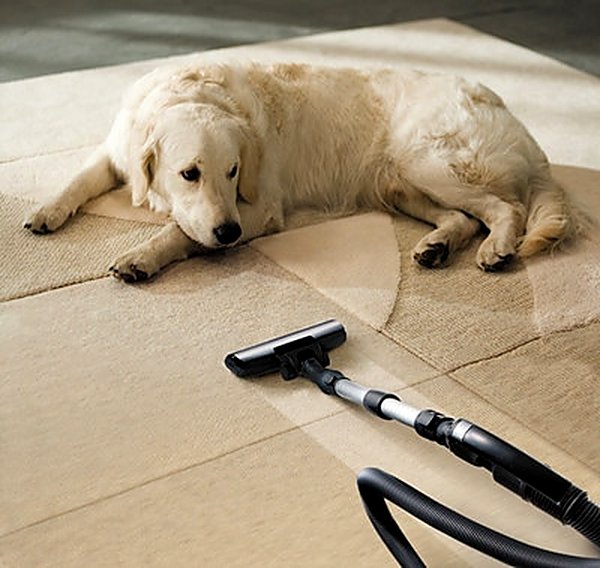
The mistakes that make pet spots permanent
Most of the pet damage we cannot fully reverse was locked in by well-meant first aid. The big four: scrubbing (which frays the fiber tips into a permanently fuzzy patch even after the stain lifts), ammonia-based cleaners (which read as a rival animal's mark and invite re-marking on the exact spot), oxygen bleaches on a mystery stain (which can strip dye and trade a cleanable spot for a bleach mark), and flooding the area with a rental machine — the worst of the four here, because it spreads the urine laterally into a larger treatment zone and leaves water in a pad that Conroe air will not dry. If the accident just happened: blot straight down with plain paper towels until dry, mark the spot with painter's tape, and leave the chemistry to the visit.
Stain and odor are two different jobs
The discoloration is dye chemistry; the smell is biology. They respond to different treatments, and they do not always both resolve — an old spot can lose 100% of its odor while keeping a faint shadow where the urine altered the dye. We treat for both and tell you, spot by spot, which outcome to expect. What we will not do is fog the room with fragrance and call it removal: masking agents fool a human for about a week, a dog's nose never, and the first humid afternoon exposes the shortcut anyway.
Booking the pet call in Conroe
Describe what you have — one fresh accident, a favorite corner, a whole-room situation, or a lake rental a guest's dog signed on the way out — and (936) 215-6659 turns it into a real range on the phone. Most pet treatments ride along with a carpet cleaning visit, which is the economical way to do it. Texas is a one-party-consent state.
Get a Free Quote
No obligation · about a minute by phone
Frequently Asked Questions
Why does the pet smell get worse on muggy days?
Why can I still smell it after shampooing the spot myself?
Is the enzyme treatment safe for the dog that caused it?
Cat spots seem worse than dog spots. Are they?
Can old, set stains still come out?
When is replacing the pad the right call?
What does pet treatment cost in Conroe?
End the pet smell for good in Conroe
Call (936) 215-6659 for a free phone quote. Enzyme treatment at the pad level, honest per-area pricing, across Conroe and the Lake Conroe area.